An AI Photo of Your Missing Pet Is Not Proof
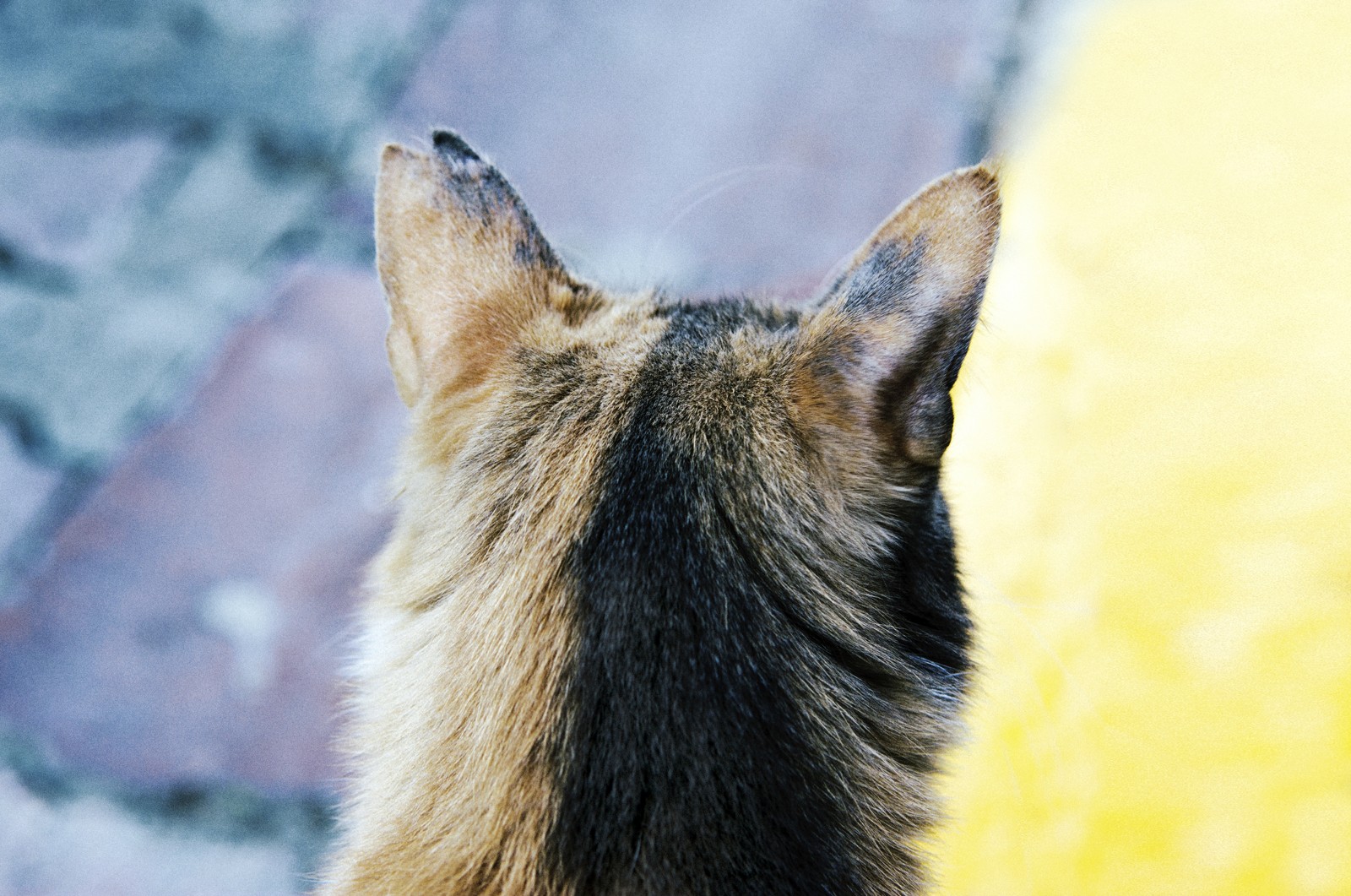
Recent reports describe missing-pet owners receiving AI-made pictures and payment demands. Verify the animal safely before sending reward money.
A photograph that looks exactly like your missing pet can still be fake. Recent reporting describes owners receiving AI-generated pictures from people claiming to have found their animals, followed by demands for money.[1] [2]
According to BBC and ABC News Australia, the messages exploited information owners had shared while searching. These are reports about earlier incidents, not evidence that every new reply to a lost-pet appeal is fraudulent.[1] [2]
What happened
Both outlets describe owners being sent apparently reassuring pictures of their missing animals. The supposed finders asked for payment, while promised meetings did not result in the owners being reunited with their pets.[1] [2]
The reporting describes AI images being used as supposed proof that the sender had the animal. Payment demands could involve money or gift cards. The convincing picture was part of the pressure, not independent confirmation of a rescue.[1] [2]
Why it matters
For someone searching for a pet, the important question is not whether a picture looks professionally made. It is whether the person contacting them can safely demonstrate that they actually have the animal. Treat a picture as a claim to check, not a reason to skip that check.
There is no need to accuse every person who offers help. Keep genuine leads open while separating the search from any payment decision. Ask someone you trust to review a message before you respond, especially when you feel desperate to act immediately.
Make a plan before replying
Decide how you will check a claimed sighting before an emotional message arrives. Write down a few details about your pet that you have not posted publicly. Keep those details for verification rather than adding all of them to a public appeal. Ask a friend to be your second reader when a promising reply appears.
When someone contacts you, separate their claims into questions you can check: where was the animal found, when was it seen, and how can a safe reunion be arranged? Ask the person to explain their proposal without first volunteering answers. Save what they send so you can compare it with later messages rather than relying on memory during an upsetting conversation.
A request for a fresh image or short video can be one part of checking a lead, but do not treat any digital picture as a guarantee. Keep the final decision about payment tied to safely confirming the animal. If the proposed meeting changes repeatedly, pause and discuss the situation with your helper rather than sending money to keep the conversation going.
If a message contains threats, put your own safety first. Do not go to an unfamiliar address, promise an escalating reward or share more private information to reassure the sender. Ask an appropriate local service how to preserve the evidence and continue the search safely. Keep genuine search activity separate from dealing with the threatening contact. You can remain hopeful about finding your pet while declining a payment demand you cannot verify.
How to stay safe
- Verify before paying. Do not release a reward because a stranger sent a convincing photograph.
- Ask for details you did not publish. Use a distinguishing feature or other information a genuine finder could check; do not reveal the answer first.
- Arrange safe confirmation. Seek help from a local shelter or police service when arranging an in-person check. Do not attend an unfamiliar meeting alone.
- Keep the evidence. Save the original messages and payment demands. Report threats rather than bargaining with the sender.
- Keep searching through trusted channels. Continue checking shelters and veterinary practices rather than relying on one online contact.
The short version
Hope is not a mistake, and seeking help is not the problem. Keep the reward separate from the proof. An AI-made image cannot return a pet; only a safely verified reunion can do that.
Follow AI Safe Mode
Protect yourself with Privaku
- Privaku AI Shield (Mac) watches what AI agents do on your computer and flags risky actions: https://privaku.com/agent-shield/
See the post on YouTube Watch and follow AI Safe Mode on YouTube @AISafeMode and Instagram @aisafemode.
References
- BBC, Nov 4, 2026. Report on AI-made missing-pet photographs. Read the report ↗
- ABC News Australia, Oct 27, 2026. Report on a missing-pet reward scam. Read the report ↗