
Hong Kong Switches On AI Face Recognition Across Its Police Cameras
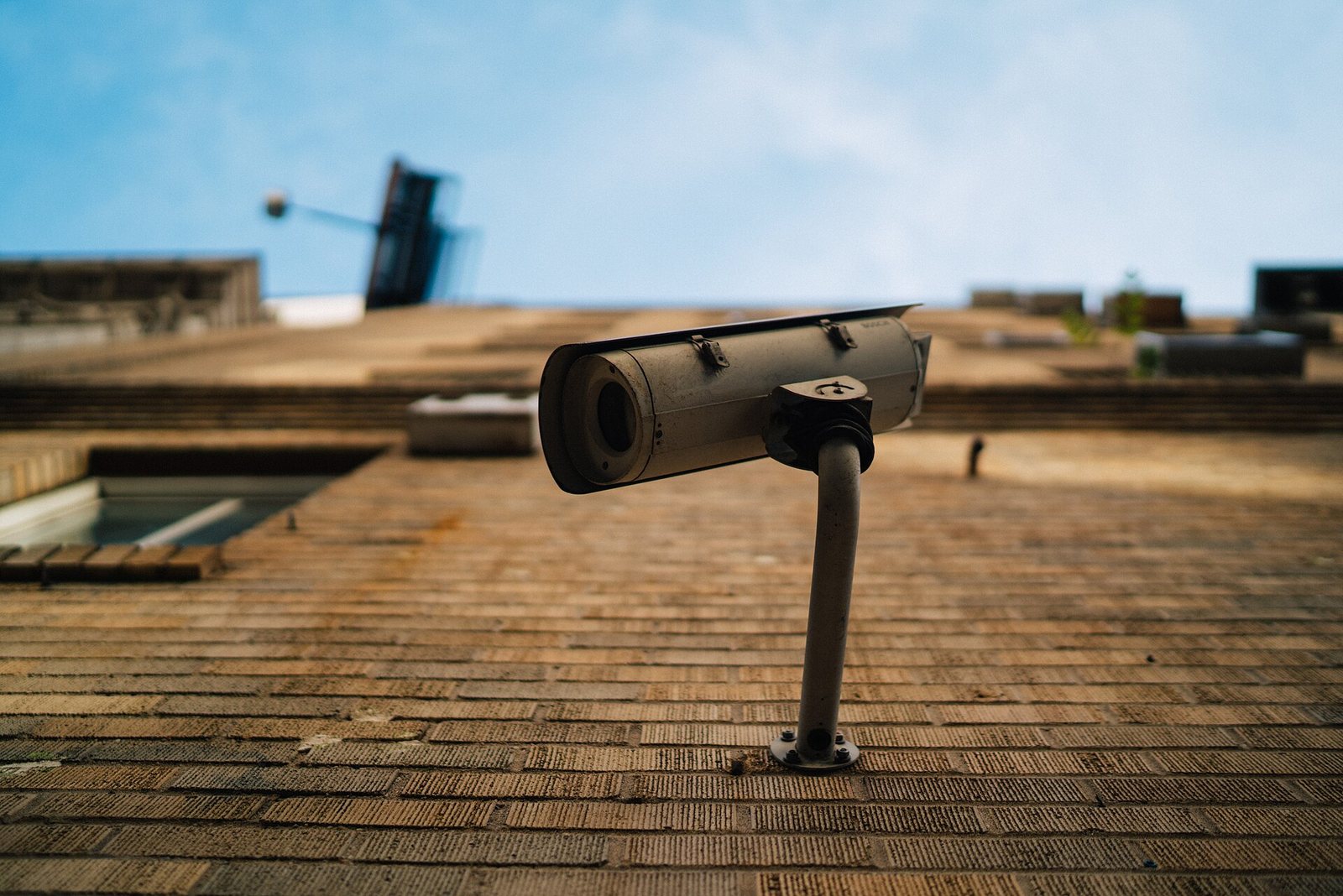
Hong Kong police have turned on AI facial recognition across a city-wide camera network that is set to reach 60,000 cameras by 2028. What it means for privacy.
Police in Hong Kong have begun using AI-powered facial recognition across the city’s police-linked surveillance camera network. The police chief says the system can identify suspects even when they try to hide their faces, while critics warn about privacy and the scale of tracking.[1] [2]
What happened
According to the reports, the facial recognition feature went live across the network from Nov 16, 2026. The network was launched in 2024 and has more than 10,000 cameras so far, made up of police cameras and feeds from third parties. It is planned to grow to 60,000 cameras across the city by 2028.[1] [2]
The police chief said the tools have checks and balances so they will not be abused, and that they would mostly be used for missing-person and criminal cases. Searches reportedly need approval from an inspector or a more senior officer and are limited to stated purposes, with national security listed first.[1] [2]
Asked whether masks or disguises could beat the system, the police chief declined to give technical details but said concealment would be no match for police capabilities.[1] [2]
Why it matters
Facial recognition linked to a large camera network can turn ordinary street cameras into a tool for finding and following a specific person. Critics say the system’s ability to compare a face against a database and trace past movements could make surveillance excessive.[2]
Similar systems are spreading in many countries. Face matching can also be wrong, and errors can lead to the wrong person being stopped or questioned.
The short version
Hong Kong has switched on AI face recognition across its police camera network. The key questions are who can search, for what, and with what oversight.
How to stay safe
- Know your local rules. Find out whether police or shops near you use facial recognition and who oversees it.
- Ask about data retention. How long are images and match results kept?
- Use your data rights. Where the law allows, request records held about you.
- Support transparency. Independent audits and public error rates help prevent misuse.
- Be careful with face photos online, since public images can be used to build matching databases.
Follow AI Safe Mode
See the post on YouTube Watch and follow AI Safe Mode on YouTube @AISafeMode and Instagram @aisafemode.
References
- Hong Kong Free Press, Nov 16, 2026. Report on the rollout and the police chief's comments on safeguards. Read the report ↗
- The Asia Business Daily, Nov 15, 2026. Report on the camera network's scale, search approvals and privacy concerns. Read the report ↗